The Hidden Mental Health Cost of Entrepreneurship—and Why It Matters More Than You Think
Entrepreneurship is often glamorised—freedom, financial success, and the thrill of building something meaningful from nothing. But behind the success stories lies a far less visible reality: the psychological toll of running a business.
At MyRehab Addiction Recovery Centre, we see firsthand how high-pressure environments—like entrepreneurship—can quietly erode mental health, sometimes leading to burnout, anxiety, depression, and even substance dependence.
It’s time to talk about the side of entrepreneurship that rarely makes headlines.
Success on the Outside, Struggle on the Inside
Many entrepreneurs appear to have it all together. Yet, beneath the surface, the pressure can be overwhelming. Founders often carry the weight of financial risk, leadership responsibility, and personal sacrifice—all at once.
In fact, even highly successful business leaders have reported being on the brink of emotional and financial collapse during their journey.
This disconnect—between outward success and internal struggle—can be dangerous. It creates a culture where asking for help feels like failure.
The Loneliness of Leadership
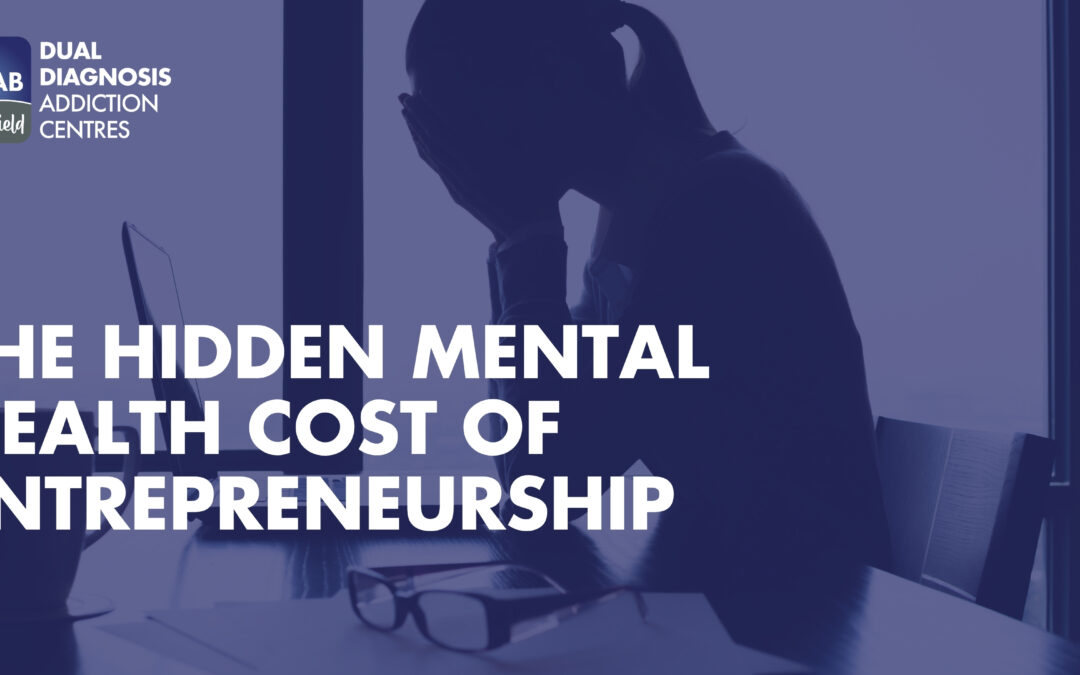
Entrepreneurship can be deeply isolating.
Leaders often feel they must “hold it together” for employees, investors, and loved ones. As a result, they suppress stress rather than express it. Over time, this emotional isolation can intensify anxiety and lead to unhealthy coping mechanisms.
Many entrepreneurs report lying awake at night, consumed by uncertainty and responsibility, with no safe outlet for their fears.
At MyRehab, we recognise this pattern: isolation is one of the strongest predictors of declining mental health.
When Pressure Becomes Personal
Entrepreneurial stress isn’t just about business—it becomes deeply personal.
- Financial strain can impact relationships
- Failure can feel like a reflection of self-worth
- Constant uncertainty fuels chronic anxiety
Over time, this emotional burden can trigger symptoms such as:
- Sleep disruption
- Irritability and mood swings
- Loss of motivation
- Depression and burnout
In some cases, individuals turn to alcohol or substances to cope—creating a dangerous cycle of dependency.
The Emotional Rollercoaster
Entrepreneurship is not a steady climb—it’s a series of extreme highs and lows.
One moment, there’s excitement and optimism. The next, fear and doubt take over. This emotional volatility is not just exhausting—it can be psychologically destabilising.
Research shows that entrepreneurs often experience cycles of stress, anxiety, and even depressive episodes linked to uncertainty and failure.
Without proper support, these swings can escalate into serious mental health challenges.
Why Entrepreneurs Are at Higher Risk
Certain personality traits common in entrepreneurs—drive, risk tolerance, and relentless ambition—can also increase vulnerability to mental health struggles.
These traits often lead to:
- Overworking and burnout
- Difficulty switching off
- Perfectionism and fear of failure
- Neglect of personal wellbeing
When left unchecked, the same qualities that fuel success can contribute to emotional exhaustion.
Breaking the Silence: Mental Health Is Not a Weakness
One of the biggest barriers to recovery is stigma.
Many entrepreneurs believe they must be resilient at all costs. But resilience does not mean suffering in silence—it means knowing when to seek support.
Ignoring mental health challenges doesn’t make them disappear. It often makes them worse.
At MyRehab, we encourage a different approach: acknowledge, address, and heal.
Healthier Ways to Cope with Entrepreneurial Stress
There are practical, effective ways to protect your mental health while building your business:
1. Build a Support Network
Speak openly with trusted individuals—mentors, therapists, or support groups.
2. Separate Identity from Business
Your worth is not defined by your company’s success or failure.
3. Prioritize Rest and Recovery
Sleep, exercise, and downtime are not luxuries—they are necessities.
4. Recognize Warning Signs Early
Persistent anxiety, burnout, or substance use are signals—not weaknesses.
5. Seek Professional Help
Therapy and structured treatment programmes can provide tools for long-term resilience.
When to Seek Help
If stress begins to feel unmanageable—or if substances are being used to cope—it’s time to take action.
At MyRehab Addiction Recovery Centre, we provide evidence-based treatment for:
- Burnout and chronic stress
- Anxiety and depression
- Substance use and dependency
- Co-occurring mental health conditions
You don’t have to navigate this alone.
Final Thought
Entrepreneurship can be incredibly rewarding—but it should never come at the cost of your mental health.
Success is not just about building a business. It’s about sustaining your wellbeing along the way.
If you’re struggling, reaching out could be the most important business decision you ever make.